Furnace Repair for Busy Households
Request your furnace estimate
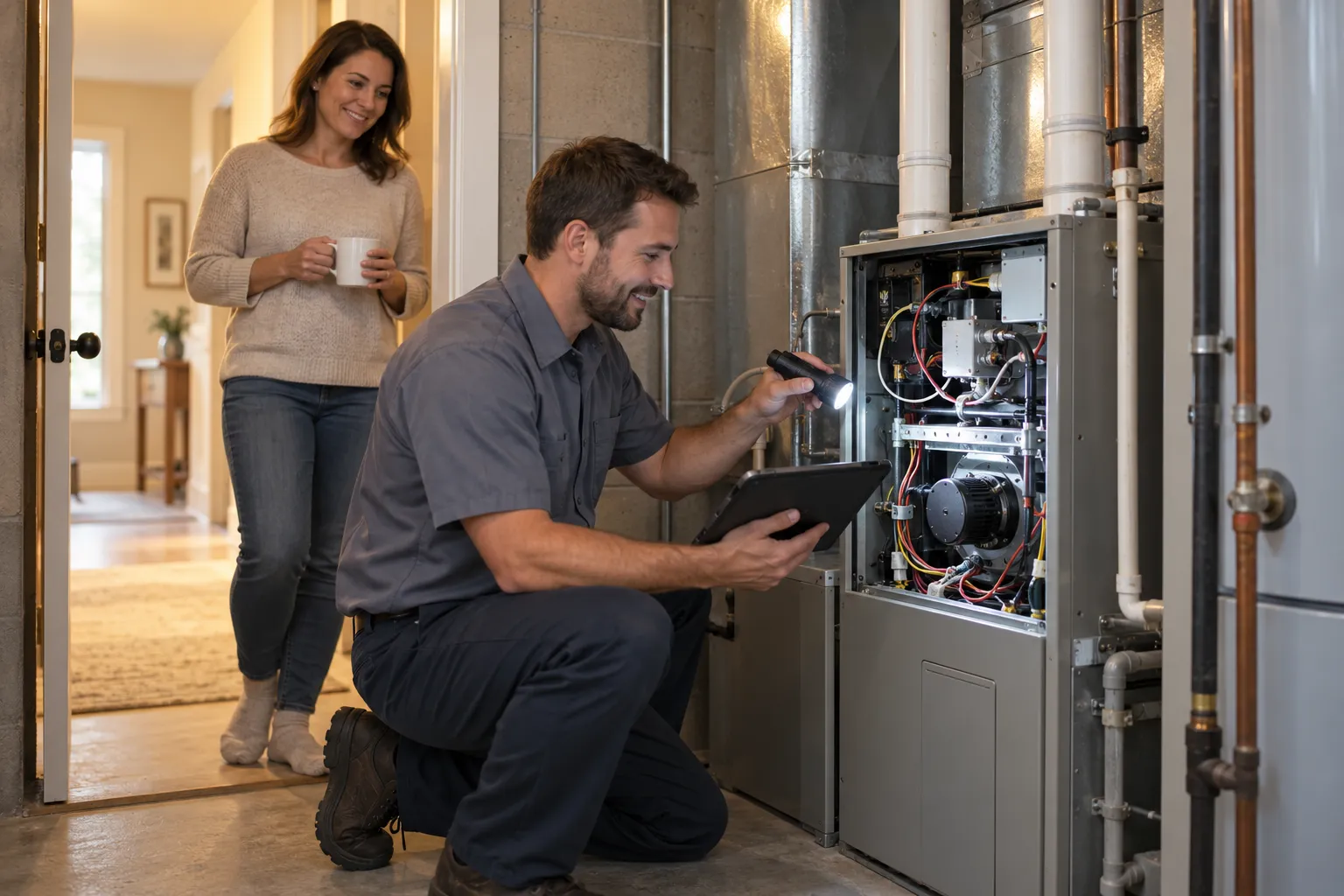
A furnace can sit unused for months in our warm climate, then fail the first cool night. Dust, a worn igniter, or a tired blower motor are common reasons. Some fixes are simple and safe to try yourself. Others need a trained hand and the right tools.
Guardindicate Heating & Air is a referral service for homes across the Tarpon Springs area. We do not repair furnaces. We connect you with independent providers in our network who do. Tell us what your system is doing, request an estimate, and a local provider can take it from there. You get a written quote before work starts, so the price never surprises you and the repair fits around your week.
Smell Gas? Stop and Step Outside
A rotten-egg smell near your furnace is the one sign where you do nothing yourself. Do not flip light switches. Do not light anything. Do not hunt for the leak.
Walk everyone out, including pets. Once you are outside and away from the house, contact your gas utility or emergency services. Wait for them to say it is safe before you go back in.
Other Warning Signs to Take Seriously
Shut the furnace off at the thermostat and stay alert if you notice any of these:
- A carbon monoxide alarm going off
- Soot or dark streaks around the furnace
- A burning smell that does not fade after a few minutes
- Headaches or dizziness that ease when you leave the house
Open a window, get everyone fresh air, and have a provider look at the system before you run it again.
Check, Then Call: Quick Fixes You Can Try
A few checks take ten minutes and need only your hands and a flashlight. Do them in this order.
Start With the Thermostat
Set it to heat and a few degrees above room temperature. Swap the batteries if the screen is dim or blank. A thermostat set to the wrong mode is a surprisingly common cause.
Look at Power and Switches
Check the breaker for the furnace. Find the wall switch near the unit, which looks like a light switch, and make sure it is on. Reset a tripped breaker only once. If it trips again, stop.
Swap a Clogged Filter
Pull the filter and hold it up to a light. If you cannot see through it, replace it. A choked filter can make a furnace overheat and shut itself off.
Open the Vents
Walk the house and make sure supply vents and return grilles are open and clear of furniture or rugs. Blocked airflow wears parts out fast.
Know Where to Stop
Do not open sealed burner compartments, handle gas lines, or rewire anything. If the checks do not bring heat back, that is your cue to bring in a provider.
Common Signs Your Furnace Needs Repair
Some problems show up loudly. Others creep in. Watch for:
- Air blowing cool or only lukewarm
- The system starting, then shutting off within minutes
- Banging, squealing, or rattling sounds
- Uneven heat from room to room
- A furnace that will not start at all
- A heating bill that climbs without a reason
In a humid area, also look for rust, moisture near the unit, or a musty smell from the vents. Mention these to the provider.
Plan Around Your Week
A repair does not have to take over your schedule. When you request an estimate, share the days that work, whether kids are home, and where the pets stay. Many providers can respond quickly, but availability varies, so ask what is open this week.
Clear a path to the furnace before the visit. Move storage boxes, and keep a flashlight handy. It keeps the visit short.
What Happens During a Furnace Repair Visit
A provider usually starts by asking what you have seen and heard. Then they test the thermostat, inspect the filter, and watch the furnace go through its start-up steps. That points to the failing part.
You should hear the problem explained in plain words, along with the repair options and a written quote. Approve the work only when the price makes sense to you. Quote before work is a fair thing to expect.
Common Furnace Repairs
Igniter and Flame Sensor
A worn igniter or a dirty flame sensor can keep the burner from staying lit. These are small parts and often among the more affordable fixes.
Blower Motor and Capacitor
If the burner runs but little air moves, the blower motor or its capacitor may be failing. A weak capacitor can also cause hard starts and humming.
Control Board and Limit Switch
The control board runs the start-up sequence. The limit switch shuts things down when the unit runs too hot. Faults here can cause short cycling or a no-heat call.
Repair or Replace Your Furnace?
A younger furnace with one failed part is usually worth repairing. An older one with repeated breakdowns, a cracked heat exchanger, or rising energy bills may be time to replace.
A simple rule of thumb: if a repair costs close to half the price of a new unit, ask the provider to quote both. Compare them side by side before you decide.
Questions to Ask the Provider
- What is the diagnostic fee, and is it applied to the repair?
- Can I get the repair price in writing before work starts?
- Is the part new, and does it come with a warranty?
- How long will the work take, and will the heat be off during it?
- Should I think about replacement based on what you found?
A good provider answers these without fuss.
When a Furnace Has Sat Idle for Months
If your furnace barely runs in mild winters, test it early in the season, not on the coldest night. Replace the filter, run a full heating cycle, and note any odd smell or noise. A short burnt-dust smell on the first run is normal. Anything that lingers is worth a provider visit.
Want help finding a local provider for heating and cooling problems?
Prefer to type it out? Use the request form and share what your furnace is doing.
What's Included
Diagnosis
A provider tests the thermostat, airflow, and start-up steps to find exactly why the furnace is failing.
Part Repairs
Igniters, sensors, capacitors, and blower motors can often be fixed or swapped during one visit.
Safety Checks
Providers look at venting, flame quality, and warning signs while the system is already open.
Written Quote
You see the price and the work in writing first, so you can approve it or ask questions.
What Furnace Repair Costs
Prices vary by furnace type, part, and how hard it is to reach. These are typical U.S. ranges only. Always ask for a written quote before approving any work.
| Repair item | Typical range | Notes |
|---|---|---|
| Diagnostic visit | $75 – $200 | Often credited toward repair if you proceed |
| Igniter or flame sensor | $150 – $500 | Small parts, common fix |
| Capacitor or relay | $150 – $450 | Helps with hard starts or humming |
| Blower motor | $400 – $1,500 | Varies by motor type and brand |
| Control board | $300 – $900 | Price depends on model availability |
| Heat exchanger or major repair | $1,500 – $3,500 | Replacement may be the better value |
How It Works
Check the Basics
Try the thermostat, breaker, filter, and vents first. Skip anything involving gas lines or sealed parts.
Request an Estimate
Describe the symptoms and your preferred days so a provider can plan ahead.
Review the Quote
Read the written price, the part, and the work before saying yes.
Get Heat Back On
The provider completes the repair and tests the system before leaving.
Why Call Guardindicate Heating & Air
Fits Your Busy Schedule
Share your open days and a provider in our network can plan the visit around your routine.
Clear Pricing
Ask for a written quote before work starts so you know what drives the cost.
Independent Providers
Local providers do the repairs. We just make the connection simple.
Simple Process
Tell us the problem once, request an estimate, and skip the endless phone searching.
Other Services
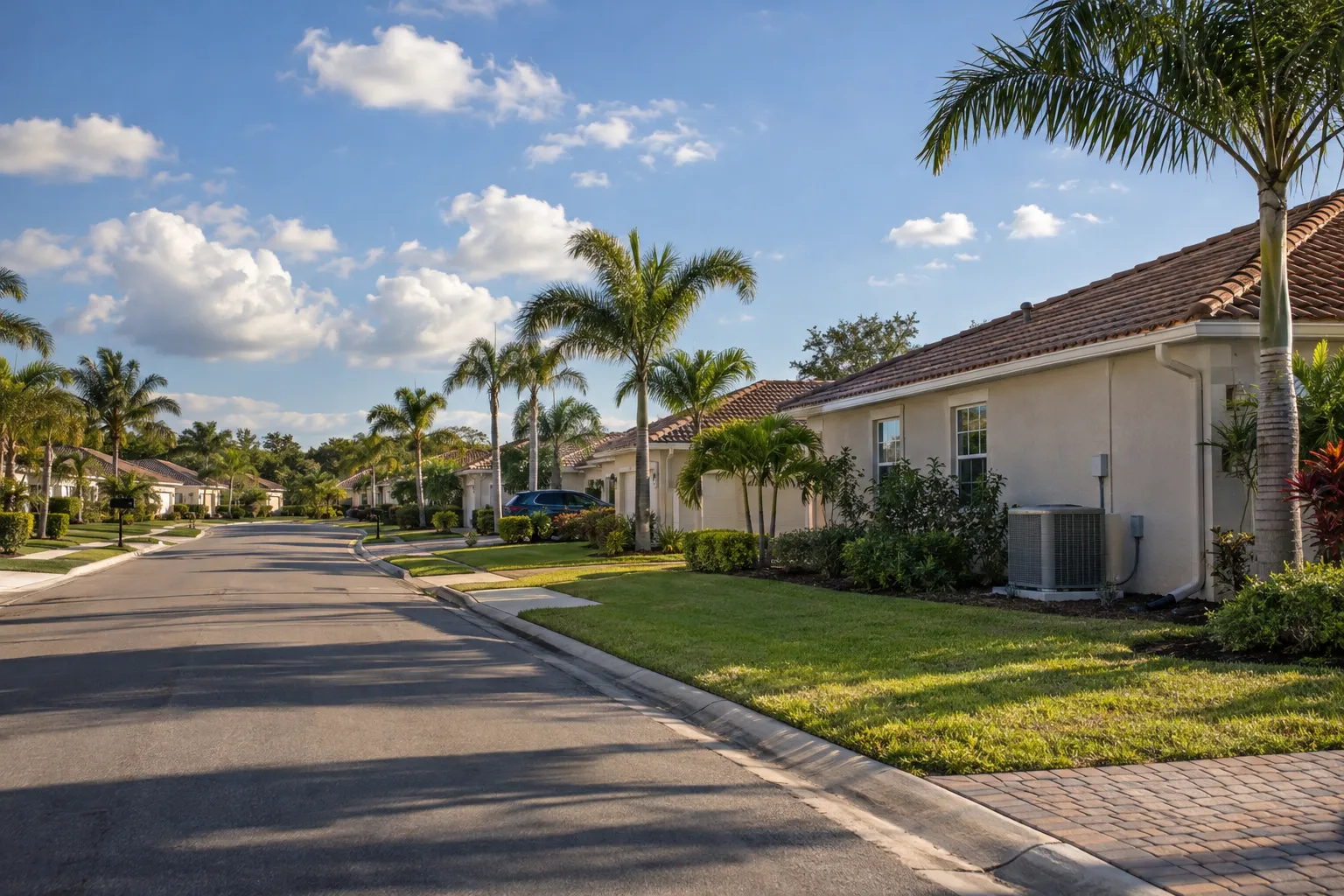
Need furnace repair in Tarpon Springs?
Tell us what your system is doing and when you are home. We will point you to a local provider in our network. Send a request or reach out by email.
No obligationFurnace Repair FAQ
- Why is my furnace running but blowing cold air?
- Common causes include a dirty filter, a thermostat set to fan only, a failed igniter, or a tripped limit switch. Replace the filter and check settings first. If air stays cool, request a provider visit.
- How much does furnace repair cost?
- Typical U.S. repairs run from about $150 to $1,500, depending on the part and labor. Major repairs can cost more. Ask for a written quote before work starts.
- Is it safe to relight a furnace pilot light myself?
- Some older models have instructions on the unit, but if you smell gas, stop and leave the house. When in doubt, let a provider handle it.
Tell us what happened
Tell us what your system is doing and when you are home. We will point you to a local provider in our network. Send a request or reach out by email.
No obligation